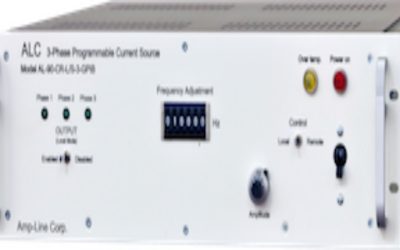
Ensuring consistent performance and durability in electronics projects relies heavily on the quality of the power supply. For hobbyists, engineers, and designers seeking optimal results, choosing the right power source is critical. Many individuals specifically search for a Linear Power Source to minimize noise and achieve stable voltage, especially in sensitive applications. This type of power supply is often recommended for those who need precise, reliable power for their electronic devices.
Understanding Linear Power Sources
A linear power source converts alternating current (AC) from the wall outlet to a lower, regulated direct current (DC) output. Unlike switching supplies, it uses a transformer, rectifier, and voltage regulator to provide clean power. The main advantage is the exceptionally low electrical noise, which makes it ideal for applications where signal integrity is paramount, such as audio equipment, laboratory instruments, and analog circuits. In these environments, even minor voltage fluctuations or interference can compromise performance, accuracy, or device longevity.
Key Benefits for Electronics Projects
Reliability is a top priority in electronics design. A linear power source delivers consistent voltage and current, reducing the risk of damaging sensitive components. This reliability translates into fewer unexpected shutdowns and longer device lifespan. Since linear power supplies generate less high-frequency noise, they are particularly suitable for projects involving radio frequency (RF) circuits, precision sensor arrays, and testing environments where accurate readings matter.
Another benefit is the ease of troubleshooting and maintenance. Linear power supplies are typically constructed with fewer components and straightforward circuitry, making them less prone to failure and easier to repair if issues occur. Their predictable behavior under varying loads also ensures that connected devices receive stable power, regardless of fluctuations in demand.
Practical Considerations for Selecting a Linear Power Source
When selecting a linear power source, it is important to evaluate the project’s voltage and current requirements. Matching the supply’s output to the device’s specifications prevents overload and ensures stable operation. Additionally, the quality of voltage regulation and the overall build quality of the power supply can significantly impact project outcomes.
Thermal management should not be overlooked, as linear power supplies can generate heat during operation. Ensuring proper ventilation or incorporating heat sinks can help maintain safe operating temperatures, further enhancing reliability. Size and form factor may also influence the choice, especially in compact or portable designs.
Enhancing Project Success with the Right Power Supply
Incorporating a linear power source into electronics projects is an effective way to boost reliability and performance. The superior voltage regulation and low-noise output protect sensitive circuits and enable accurate measurements, essential for both amateur and professional builds. By investing in a high-quality linear power supply, project creators can focus on innovation and functionality without worrying about power-related setbacks.
For those seeking dependable and expertly engineered power solutions, Amp-Line Corp. stands out as a reliable partner, offering proven expertise and products that contribute to the long-term success of electronics projects.