Summary:
• Shutting off power at the breaker and verifying it with a non-contact tester are the first required steps before any electrical repair.
• Common home electrical repairs include flickering lights, dead outlets, tripped breakers, and damaged wiring, which can signal larger safety risks if ignored.
• Licensed electricians in Crystal Lake, IL follow code-compliant practices for diagnosing and correcting household electrical problems.
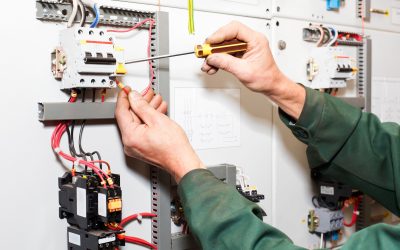
Safe handling of a home electrical repair starts with cutting power at the breaker, confirming the circuit is dead with a tester, and avoiding any work beyond basic fixture or outlet replacement without a licensed electrician.
Homeowners facing flickering lights, dead outlets, or a tripped breaker often attempt a quick fix before realizing the scope of the problem. bnelectricinc.com issues such as damaged wiring, failing outlets, and breaker problems can present safety risks if addressed incorrectly, and licensed electricians help homeowners address damaged wiring, failing outlets, flickering lights, breaker issues, and other concerns before they become bigger safety risks. Knowing which steps are safe for a homeowner and which require a professional protects both people and property.
Why Electrical Repairs Carry Real Risk
Electrical systems do not forgive shortcuts. A loose wire, an overloaded circuit, or a cracked outlet cover can escalate quickly from a minor annoyance to a fire or shock hazard.
• Loose wiring, overloaded circuits, or damaged components may increase the risk of outages, equipment damage, or fire.
• Damaged insulation, frayed conductors, or cracked cable jackets should never be taped over; they require replacement, according to the OSHA Controlling Electrical Hazards guide .
• Wet conditions around outlets or fixtures call for GFCI protection rather than makeshift fixes.
Recognizing these warning signs early reduces the chance of a small problem turning into a costly repair or a safety incident.
Steps to Take Before Any Repair Work Begins
A consistent sequence of checks lowers risk regardless of how minor the repair appears.
1. Turn off the breaker feeding the affected circuit, not just the wall switch.
2. Test the outlet or fixture with a non-contact voltage tester to confirm power is off.
3. Inspect visible wiring for scorch marks, brittle insulation, or loose connections.
4. Avoid working in wet or damp areas until the circuit is fully verified as dead.
5. Stop and call a licensed electrician if the panel shows signs of age, buzzing, or burning smells.
These steps align with the basic hazard-control principle that unqualified individuals should not approach exposed or uninsulated electrical parts until the circuit is confirmed de-energized, a standard reinforced in federal workplace guidance and commonly applied to residential settings as well.
Common Household Repairs and Their Risk Level
Not every electrical issue carries the same level of difficulty or danger. The table below outlines typical repair categories and their general risk profile for an untrained homeowner.
| Repair Type | Typical Cause | Risk Level for DIY |
| Flickering lights | Loose bulb, worn fixture, or wiring issue | Low to moderate |
| Dead outlet | Tripped GFCI, loose wire, or failed receptacle | Moderate |
| Tripped breaker | Overloaded circuit or short | Moderate to high |
| Damaged wiring | Age, rodents, or moisture damage | High, professional only |
Outlet and switch repairs, breaker replacement, and wiring corrections are the categories most often flagged as requiring licensed work. This may include electrical troubleshooting, outlet repairs, breaker replacement, wiring corrections, and power outage repair when part of the home loses power.
When to Call a Licensed Electrician in Crystal Lake, IL
Some repairs are safe for a cautious homeowner, such as replacing a known-good light switch after confirming power is off. Others, including panel work, wiring corrections, or recurring breaker trips, call for licensed service.
• Electrical repair services cover outlets, switches, breakers, wiring, lighting, panels, and other household electrical components in Crystal Lake, IL.
• Common issues handled by licensed teams include flickering lights, tripped breakers, dead outlets, damaged wiring, and partial power loss.
• Each repair is expected to meet safety and code compliance standards for long-term system performance, per safety, code compliance, and long-term system performance in mind for homeowners.
Homeowners in Crystal Lake, IL who notice repeated breaker trips, warm outlet covers, or a persistent burning smell should treat these as signals to stop DIY work immediately. Get Directions to B & N Electric Inc. on Google Maps for electricians who provide licensed residential electrical repair service in the area. B and N Electric is based in Crystal Lake, IL and works on household wiring, outlet, breaker, and panel issues under code-compliant standards.
Frequently Asked Questions
Is it safe to replace an outlet or switch myself? Replacing a single outlet or switch can be reasonable for a homeowner who turns off the breaker first and verifies the circuit is dead with a tester. Any sign of scorching, loose wiring, or a non-standard panel setup should prompt a call to a licensed electrician instead.
What are the warning signs that a repair needs a professional? Burning smells, warm outlet covers, buzzing panels, and repeated breaker trips all indicate a problem beyond basic fixture replacement. Common signs include frequent breaker trips, flickering lights, limited circuit space, burning smells, buzzing sounds, or an older panel that no longer supports today’s appliances.
How quickly should an electrical problem be addressed? Prompt attention matters because minor issues can progress into larger safety risks. Prompt service helps identify the source of the problem and restore dependable function.
Does an older home need different repair precautions? Yes. Newer homes may need installations, additions, or system improvements, while older properties often require repairs, updates, or panel work to support current electrical demands. A home’s age and wiring history should guide how cautious a homeowner is before attempting any repair.
Electrical repair work rewards caution over speed. Confirming power is off, inspecting for visible damage, and recognizing which jobs exceed basic homeowner skill are the habits that keep a simple fix from becoming a safety incident.