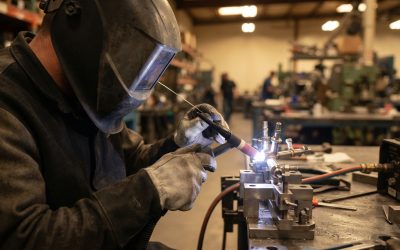
• The strongest way to vet a metal fabricator is to confirm hands-on experience with your specific project type, from custom railings to structural or ornamental ironwork.
• Ask about material sourcing, finishing methods, and whether work is fabricated on-site or in a dedicated shop.
• Request examples of completed local projects and confirm licensing before signing any agreement.
Anyone searching for a reliable metal fabricator Gig Harbor WA residents trust is usually facing a specific problem: a railing that needs replacing, a gate that needs building, or a custom piece that requires precise welding and finishing work. The right questions upfront can save weeks of delays and prevent costly rework. Knowing what to ask separates a shop that handles routine jobs from one equipped for custom ornamental and structural fabrication.
Before signing a contract with a metal fabricator Gig Harbor WA homeowners or contractors are considering, it helps to understand what distinguishes a general welding shop from a fabricator skilled in custom ironwork. The distinction matters most when a project involves decorative elements, tight tolerances, or outdoor exposure to Pacific Northwest weather.
What Experience Does the Fabricator Have With Your Project Type
Metal fabrication covers a wide range of work, and not every shop handles every category equally well. Before committing, ask the fabricator to describe past projects similar to yours.
• Custom railings and staircases, interior or exterior
• Gates and fencing, including ornamental iron designs
• Structural steel components for additions or renovations
• Decorative metalwork such as brackets, trellises, or architectural accents
A shop that can point to a portfolio of comparable work is far more likely to anticipate design or installation challenges specific to your project.
How Are Materials Sourced and Finished
Material quality and finishing technique directly affect how long a piece lasts, especially in coastal or marine-influenced climates common around the Puget Sound. Ask whether the fabricator uses mild steel, aluminum, or stainless steel, and why one material might suit your application better than another.
Finishing matters just as much as the metal itself. Powder coating, galvanizing, and painted finishes each offer different levels of corrosion resistance. According to the National Association of Corrosion Engineers (AMPP) guidance on coatings, proper surface preparation and coating selection are critical factors in extending the service life of metal structures exposed to moisture and salt air. A fabricator who can explain their finishing process in plain terms is demonstrating real technical knowledge, not just sales language.
Is Work Done In-House or Outsourced
Some companies market themselves as fabricators but subcontract the actual welding and assembly to third parties. This can affect quality control, timelines, and accountability if something goes wrong.
Direct questions to ask:
1. Is fabrication done in a dedicated shop, or outsourced to another vendor?
2. Who performs on-site installation, the same team or a separate crew?
3. What is the typical turnaround time from design approval to completion?
A shop that fabricates and installs its own work typically offers tighter quality control and clearer communication throughout the project.
Comparing Fabrication Approaches
|
Factor |
In-House Fabrication |
Outsourced Fabrication |
|
Quality control |
Direct oversight at every stage |
Dependent on third-party standards |
|
Communication |
Single point of contact |
Multiple parties involved |
|
Timeline predictability |
Generally more consistent |
Can vary with subcontractor schedules |
|
Accountability for defects |
Clear responsibility |
May be disputed between parties |
This comparison is a general industry framework, not a guarantee of outcomes for any specific company, but it highlights why asking about shop structure matters.
Licensing, Insurance, and Local Project Examples
Confirm that the fabricator carries appropriate business licensing and liability insurance before work begins. This protects both parties if damage or injury occurs during fabrication or installation.
Ask to see photos or addresses of completed local projects when possible. A fabricator established in the Gig Harbor area should be comfortable sharing examples of residential or commercial work completed nearby, along with references from past clients.
Frequently Asked Questions
How long does a custom metal fabrication project typically take? Timelines vary based on design complexity, material availability, and current shop workload. Ask for a written estimate that includes both fabrication and installation phases.
Can a fabricator work from an existing design or blueprint? Most experienced fabricators can work from architectural drawings, rough sketches, or even reference photos, then refine the design before cutting any material.
What is the difference between ornamental and structural fabrication? Ornamental fabrication focuses on decorative, custom-designed pieces like railings or gates, while structural fabrication involves load-bearing components built to engineering specifications.
Should I get multiple quotes before choosing a fabricator? Comparing at least two or three quotes helps confirm fair pricing and lets you evaluate how clearly each shop communicates about materials, timeline, and process.
Choosing a metal fabricator is as much about process and communication as it is about the final product. Asking detailed questions about experience, materials, shop structure, and licensing gives homeowners and contractors a clearer picture of who they are hiring before any metal is cut. For those exploring custom ironwork or fabrication services in the area, Holland Ornamental Iron profile offers a look at completed local work and the range of services available.