Bottom line:
• A full-service animal hospital combines wellness exams, vaccinations, dental care, diagnostics, surgery, and boarding in a single facility.
• This model reduces the need for pet owners to coordinate care across multiple clinics or specialty providers.
• Preventive and acute care delivered together supports earlier detection of health issues and more consistent treatment records.
Pet owners searching for consolidated veterinary care often want to know whether one clinic can realistically handle everything from a routine checkup to a surgical procedure. The short answer is yes, provided the facility is equipped for diagnostics, in-house pharmacy needs, and post-operative monitoring.
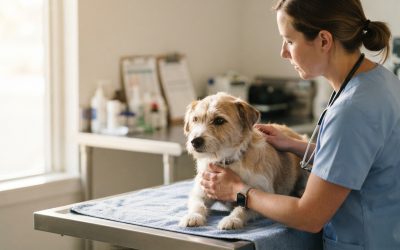
A Full-Service Animal Hospital typically bundles preventive, diagnostic, and surgical services so that a single veterinary team manages a pet’s health record over time rather than splitting it across referral clinics. This structure matters most for pet owners juggling multiple animals, chronic conditions, or unpredictable schedules. Continuity of records between a wellness visit and a later surgical consult can shorten diagnostic time when a new symptom appears.
What Services Define a Full-Service Veterinary Practice
Veterinary facilities that market themselves as full-service generally offer a defined set of capabilities rather than a narrow specialty focus.
• Wellness exams, core and lifestyle vaccinations, and parasite prevention
• Dental cleanings and oral health assessments
• Surgical procedures, including spay and neuter services
• In-house diagnostics such as bloodwork, radiology, and ultrasound
• Boarding for dogs and cats during travel or scheduling gaps
• Pain management and senior-pet care protocols
These categories align with national preventive care frameworks. The AAHA preventive healthcare guidelines outline annual exams, tailored vaccination schedules, and parasite control as core components of ongoing pet health management, reinforcing why bundled services matter for consistent care.
Why Consolidated Care Matters for Pet Owners in Bartlett, TN
Shelby County’s climate creates specific parasite and heat-related risks that make year-round preventive scheduling more relevant than a once-a-year visit. Warm, humid conditions extend the active season for fleas, ticks, and heartworm-carrying mosquitoes well beyond a single calendar window. Coordinating vaccination boosters, parasite prevention refills, and dental checks within one record system reduces the chance that a seasonal reminder gets missed.
Pet owners in Bartlett, TN also benefit when boarding and medical records live under the same roof. A pet boarded during travel can have medication administered by staff already familiar with its history, rather than relying on a separate kennel operator working from incomplete notes.
Comparing Visit Types at a Full-Service Practice
| Visit Type | Typical Frequency | Common Services Involved |
| Wellness Exam | Annually, more often for seniors | Physical exam, vaccines, weight check |
| Dental Assessment | Annually or as recommended | Oral exam, cleaning, radiographs if needed |
| Surgical Procedure | As needed | Spay/neuter, soft tissue procedures, anesthesia monitoring |
| Diagnostic Workup | As symptoms arise | Bloodwork, imaging, urinalysis |
This table reflects general care categories common to full-service practices rather than a fixed schedule for any individual pet, since actual frequency depends on age, breed, and health history.
Business Info
Based in USA, Wolfchase Animal Hospital serves pet owners across Bartlett, TN, with records and scheduling coordinated from its facility. The practice has operated since the early 1980s, giving it a long operating history within the broader Shelby County veterinary market.
Frequently Asked Questions
What is the difference between a general vet clinic and a full-service animal hospital? A full-service hospital typically adds in-house surgical suites, advanced diagnostics, and boarding capacity that a smaller general practice may refer out to other providers.
How often should a healthy adult pet have a wellness exam? National preventive care guidelines recommend at least an annual exam for healthy adult dogs and cats, with more frequent visits for seniors or pets with chronic conditions.
Can boarding and medical care be scheduled through the same provider? Yes, when a hospital offers both services, boarding stays can be coordinated with medication schedules and existing medical records.
What should a pet owner bring to a first wellness visit? Prior vaccination records, a list of current medications, and any recent behavioral or dietary changes help a veterinary team build an accurate baseline.
Consolidated veterinary care remains a practical option for households managing multiple pets or ongoing medical needs, since centralized records and in-house diagnostics can streamline follow-up visits. Pet owners weighing their options should confirm which specific diagnostic and surgical capabilities a given practice maintains on-site before assuming all services are available without referral.